
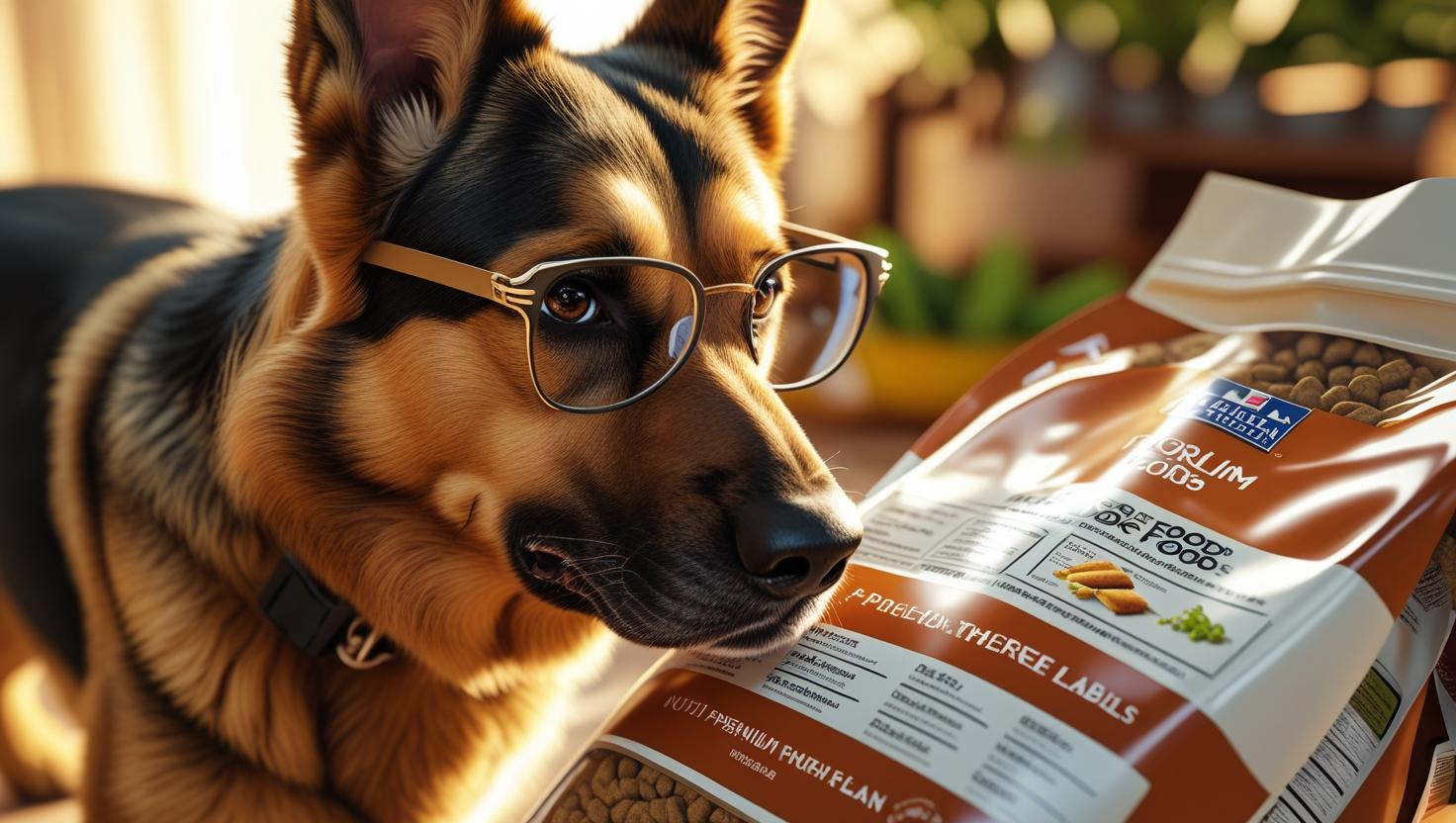
Introduction: I Thought I Knew What I Was Giving My Dog — Until I Read the Label
I’ll be honest — for a long time, I didn’t really know what I was giving my dog when I bought supplements. If the bottle looked trustworthy, had words like “natural” or “vet-approved,” and showed a happy pup on the front, I assumed it was fine. I thought I was being a great pet parent by giving my dog a joint chew or a daily multivitamin.
But then one day I flipped the container around and actually read the label — and I was shocked.
Some ingredients I couldn’t even pronounce. Others had no dosage listed. And a few turned out to be completely useless — or even potentially harmful — when I did some digging.
That was my wake-up call.
If you’ve ever felt overwhelmed or unsure when reading a dog supplement label, you’re not alone. The truth is, many of these products rely more on marketing than on science — and it’s easy to get misled.
In this post, I’ll show you everything I’ve learned about reading dog supplement labels the right way:
✅ What’s actually important
🚫 What’s just marketing fluff
🐾 And how to feel confident about what you’re giving your pup
Let’s decode the label together — because your dog deserves more than just pretty packaging.
🐾 Table of ContentsWhy Reading Labels Matters
Dog supplement labels aren’t as regulated as we might assume. Unlike prescription medications, supplements can hit the shelves with little oversight — and that opens the door for vague claims, misleading terms, and confusing ingredient lists.
When I finally started paying attention, I realized just how much I didn’t know. Terms like “proprietary blend” or “natural flavor” sound harmless but can mean very little — or even hide poor-quality ingredients.
Here’s why learning to read the label really matters:
- ✅ Your dog’s safety depends on it. Some additives, fillers, or megadoses can do more harm than good.
- 💸 You’ll stop wasting money. Not every “premium” supplement delivers results — some are all bark, no bite.
- 🧠 You can make informed choices. Knowing what your dog is actually consuming gives you control over their long-term wellness.
Think of the label as the truth behind the front of the bottle. Marketing is meant to sell — the label tells the story. When you know how to read it, you’re no longer guessing. You’re advocating.
Key Elements on a Dog Supplement Label
Once you flip past the marketing front and look at the actual label, there are a few key parts you need to understand. These sections give you the real information about what your dog is ingesting — and whether it’s worth your trust (and money).
🧬 1. Active Ingredients
These are the working ingredients meant to provide the health benefit, like:
- Glucosamine for joints
- Omega-3s for skin and inflammation
- Probiotics for gut health
What to look for:
- Clearly listed amounts (e.g., Glucosamine HCL – 500 mg)
- Standardized forms when possible (e.g., Bacillus coagulans instead of just “probiotic”)
🚫 Red flag: If active ingredients are listed without dosages — it’s impossible to know if there’s enough to be effective.
🍃 2. Inactive Ingredients (a.k.a. “Other Ingredients”)
These don’t directly affect health but are used to form the supplement or improve taste.
Common examples:
- Natural flavors (beef, chicken)
- Fillers (rice bran, cellulose)
- Preservatives (mixed tocopherols, citric acid)
Why they matter:
Too many fillers or artificial ingredients may irritate sensitive pups or offer no value. Simpler is usually better.
🧪 3. Guaranteed Analysis
This is especially important for supplements with nutrients like:
- Omega-3 fatty acids
- Probiotics
- Vitamins & minerals
Look for guarantees like:
- “Minimum 100 million CFUs” (for probiotics)
- “Crude fat (min) 12% — Omega-3s 300 mg”
Without this, you can’t be sure your dog’s actually getting what’s advertised.
🏷️ 4. Manufacturer Info & Contact
Legit brands have nothing to hide. A trustworthy product will include:
- Company name
- Website or customer service number
- Physical address or city/state
This matters if you ever need to contact them about sourcing, recalls, or returns.
⏳ 5. Lot Number & Expiration Date
This seems minor, but it’s a huge quality indicator. A lot number means the brand tracks batches for safety. An expiration date ensures you’re giving your dog a product that’s still effective.
💬 Pro Tip: If there’s no expiration date or batch info, it could mean poor manufacturing practices — or a company that’s cutting corners.
What’s Safe vs. What’s Just Marketing Hype
Dog supplement companies know how to make products sound healthy — even if the actual benefits are questionable. That’s why it’s so important to separate real value from marketing fluff.
Let’s break down some of the most common label claims — and what they really mean.
✅ The Claim vs. 🚫 The Hype
| 🐶 Label Claim | ✅ What It Can Mean | 🚫 What It Might Hide |
|---|---|---|
| “Vet-Approved” | A veterinarian may have reviewed or endorsed the product | There’s no standard — it could mean any vet, or none at all |
| “All-Natural” | Ingredients are derived from nature | Doesn’t guarantee safety or effectiveness — even toxins are “natural” |
| “Grain-Free” | Helpful for dogs with specific sensitivities | Not inherently healthier for all dogs — sometimes a marketing angle |
| “Clinically Proven” | May reference a real study (check if it’s cited!) | Often used without links or research to back it up |
| “Made in USA” | Assembled/manufactured in the U.S. | Ingredients might still be sourced overseas |
| “Human Grade” | Ingredients meet quality standards for human consumption | Doesn’t mean it’s balanced or effective for dogs |
| “Organic” | Only meaningful with USDA Organic certification | “Organic” without the seal means nothing — could be a marketing ploy |
| “Proprietary Blend” | A mix of ingredients with a “secret” ratio | Hides how much of each ingredient is in the formula |
🎯 What Actually Does Matter:
- Exact ingredient names and dosages
- NASC Seal of Approval (shows 3rd-party oversight)
- Transparent sourcing and company contact info
- Independent lab testing results (especially for probiotics and omegas)
✅ Bottom Line: Flashy labels are designed to sell, not educate. Turn the bottle around and read the fine print. That’s where the truth lives.
Common Red Flags to Watch Out For
Now that you know what should be on a supplement label, let’s talk about what to avoid. These warning signs might seem small — but they often point to poor quality, low transparency, or outright marketing deception.
🚩 1. Missing Dosages
If the label lists ingredients like “glucosamine” or “probiotics” without specific amounts (e.g., 500 mg or 1 billion CFUs), that’s a red flag.
Without dosages, there’s no way to know if the ingredient is even present in effective amounts — or just sprinkled in for the label appeal.
🚩 2. Proprietary Blends
These sound fancy, but they’re often used to hide the actual amounts of each ingredient.
For example:
“Joint Support Blend – 1,000 mg (glucosamine, chondroitin, MSM, turmeric)”
You don’t know how much of each ingredient is included — and one might be doing all the heavy lifting while the rest are barely there.
🚩 3. Vague or Misleading Claims
Watch out for claims like:
- “Supports overall health” (what does that even mean?)
- “Clinically proven” (with no studies cited)
- “Recommended by vets” (no specific vet or credentials listed)
If it sounds too good to be true — it usually is.
🚩 4. Artificial Additives & Fillers
Low-quality supplements often rely on:
- Artificial flavors or colors
- Unnecessary preservatives
- Bulk fillers like corn syrup solids or soy flour
These add no value and may cause issues for sensitive dogs.
🚩 5. No Expiration Date or Lot Number
If a product doesn’t have an expiration date or batch code, that’s a big red flag. Reputable brands want traceability — and it’s a sign of quality control.
🚩 No Mention of Third-Party Testing
Third-party testing means an independent lab verified what’s in the bottle. It’s not mandatory, but it’s a gold standard for trust. If the brand never mentions testing — or dodges the question — move on.
🐕 Your Dog Deserves Better
The goal isn’t perfection — it’s protection. Spotting even one or two of these red flags is a sign to research deeper or choose another brand.
Bonus Tips for Choosing Safe Supplements
Once you know what to look for — and what to avoid — choosing the right supplement becomes a lot less overwhelming. Here are a few bonus tips to help guide you:
✅ Look for the NASC Quality Seal
The National Animal Supplement Council (NASC) provides oversight for pet supplement brands that meet strict quality, labeling, and manufacturing standards. Products with the NASC seal are more likely to be safe and transparent.
✅ Simpler Is Usually Safer
Choose supplements with fewer, high-quality ingredients instead of long lists full of unpronounceables. Especially for dogs with allergies or sensitive stomachs, less is often more.
✅ Choose Transparency Over Trendiness
If a brand is open about their ingredient sourcing, manufacturing practices, and testing — that’s a great sign. Bonus points if they publish lab results or explain where their ingredients come from.
✅ Don’t Rely on Amazon Reviews Alone
It’s tempting to trust thousands of 5-star reviews — but reviews can be skewed or manipulated. Look for independent reviews on trusted pet wellness sites or direct vet recommendations.
✅ Talk to Your Vet (or a Holistic Vet)
Always loop in your vet — especially if your dog is on medication, has a health condition, or you’re adding multiple supplements. Holistic or integrative vets may also recommend natural options that align with your dog’s unique needs.
📋 Printable Checklist: What to Look for in a Safe Dog Supplement
You can offer this section as a downloadable checklist or graphic for Pinterest/email:
How to Choose a Safe, Effective Dog Supplement
Use this checklist before you buy!
🟩 Ingredient Transparency
- Are active ingredients listed with exact amounts?
- Are the inactive ingredients minimal and recognizable?
- Is the label free of “proprietary blends”?
🟩 Safety & Testing
- Does the product have an expiration date and batch number?
- Is there third-party or NASC certification?
- Are there any artificial additives or unnecessary fillers?
🟩 Brand Trust & Clarity
- Is the manufacturer clearly listed with contact info?
- Are there clinical studies or citations (not just hype)?
- Is the label free of exaggerated or misleading claims?
🟩 Extra Bonus
- Is the supplement recommended by your vet?
- Has the brand shared where its ingredients are sourced from?
Want to become a more confident, label-savvy pet parent? These hand-picked guides will help you dive deeper into natural wellness and safe supplement choices for your dog: 🧬 Top Natural Dog Supplements & Preventative Health Strategies for Lifelong Wellness A complete overview of the best natural support options — from immune boosters to calming aids. 💊 Best Daily Multivitamins for Dogs (with Ingredient Breakdown) Compare the top daily vitamins for dogs — and find out which ones are truly worth the money. 🐟 Omega-3 Benefits for Dogs: Why It’s a Must-Have Supplement Understand how fish oil and essential fatty acids help with joints, skin, and inflammation. 🍪 Homemade Natural Dog Treats with Health-Boosting Ingredients Make your own supplement-style treats at home — free of fillers and preservatives.🐾 Trust your gut — and read the label. You’re your dog’s first line of defense when it comes to daily health choices.
🎯 Final Thoughts
Reading dog supplement labels can feel like learning a new language — but once you know what to look for, it becomes second nature.
Don’t let buzzwords and packaging fool you. Flip that bottle over, scan for quality markers, and trust the brands that are clear, honest, and committed to your dog’s well-being.
🛒 Ready to choose better supplements?🐕 You’re not just a dog owner — you’re your pup’s advocate. And every smart choice adds up to a healthier, happier life.