
Intro
Keeping your dog’s skin and coat healthy isn’t just about appearances — it’s essential for their overall comfort and well-being. Whether your dog has a thick fluffy coat or a sleek short-haired style, establishing a daily dog grooming routine is key to preventing skin problems, reducing shedding, and promoting a shiny, healthy coat. In this post, we’ll share simple but effective dog skin care and coat maintenance tips that you can easily incorporate into your daily routine.
From daily brushing tips for dogs to choosing the best products for dog skin and coat care, we’ve tested and recommended tools that make grooming hassle-free. Plus, some of the products we mention are affiliate links, meaning if you purchase through them, we may earn a small commission at no extra cost to you — helping us keep providing trustworthy dog grooming tips.
So if you’re looking for ways on how to maintain your dog’s coat health and want the best daily grooming advice, keep reading. Let’s help your pup look and feel their very best every single day!
Disclaimer for Second Intro
Some of the links in this post are affiliate links. If you buy through them, we may receive a small commission at no additional cost to you. We only promote products we’ve tested or thoroughly researched to ensure quality for your dog’s skin and coat care.
- 🐾 Why Daily Skin & Coat Maintenance Matters
- 🐾 Essential Daily Brushing Tips for Dogs
- 🐾 How to Check Your Dog’s Skin for Issues
- 🐾 Choosing the Best Grooming Products
- 🐾 Nutrition and Hydration for Healthy Skin & Coat
- 🐾 Avoiding Over-Bathing and Using the Right Shampoo
- 🐾 Parasite Prevention: Fleas, Ticks, and Mites
- 🐾 Grooming Sensitive Areas Safely
- 🐾 Keeping Your Dog’s Environment Clean
- 🐾 Recognizing Signs of Skin Problems
- 🐾 Final Tips for Daily Skin & Coat Care
🐾 Why Daily Skin & Coat Maintenance Matters
Daily skin and coat maintenance isn’t just something for show dogs or Instagram pups — it’s an important part of keeping your dog healthy, comfortable, and happy. A regular grooming routine can help you spot problems early, reduce excess shedding, and improve your dog’s coat shine naturally over time.
Dry patches, flaky skin, dull fur, or constant itching? These can all be signs that your dog’s skin care needs more attention. The good news is, with just a few minutes a day, you can create a routine that supports both skin and coat health — and strengthen your bond with your pup at the same time.
Many pet parents overlook the daily side of grooming, thinking a monthly bath is enough. But consistent daily care — even just brushing or checking for irritation — can prevent issues like hot spots, matting, and skin infections before they start. If you’ve ever wondered how to keep your dog’s coat healthy naturally or how to improve your dog’s skin condition without a vet visit every month, this guide is for you.
In the next sections, we’ll share our top daily grooming tips for dogs, recommend products that actually help with skin and coat care, and explain how small habits lead to big improvements.
🐾 Essential Daily Brushing Tips for Dogs
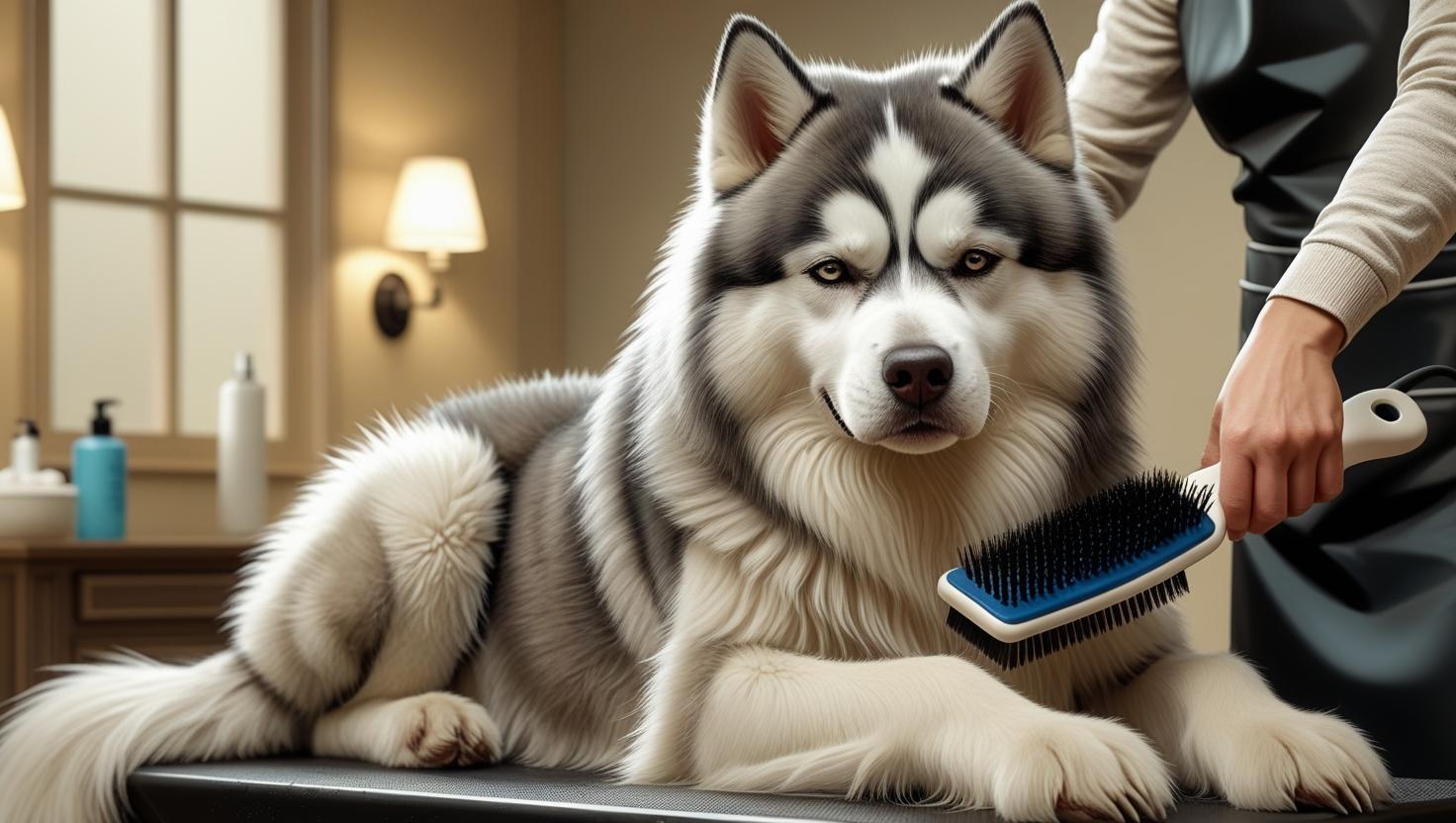
Daily brushing is one of the easiest and most effective ways to maintain your dog’s coat and support overall skin health. Whether your pup has a double coat, curly fur, or a short sleek coat, regular brushing removes loose hair, spreads natural oils, and prevents mats or tangles from forming.
If you’ve been asking yourself, “Do I really need to brush my dog every day?” — the answer is yes, especially if you want to reduce shedding and keep their coat looking clean and shiny. Even just a few minutes of brushing each day can make a big difference in how your dog’s skin and coat feel and look.
Best Daily Brushing Tools for Dogs
Different coat types need different tools. Here’s a quick breakdown:
- Short-haired breeds (like Labs or Beagles): Use a rubber grooming mitt or bristle brush for daily coat maintenance.
- Long-haired breeds (like Golden Retrievers or Collies): A slicker brush or undercoat rake helps reach deep fur layers and reduce tangles.
- Curly-coated breeds (like Poodles or Doodles): Use a pin brush daily to prevent matting, and follow up with a comb for fine areas.
Pro tip: Always brush in the direction of hair growth and check for signs of irritated skin as you go. This daily contact also helps you detect fleas, ticks, or dry patches early.
If your dog is new to grooming, start slow and offer treats during and after each session. Not only does daily brushing support your dog’s coat health, but it also becomes a bonding ritual that your dog may come to love.
🐾 How to Check Your Dog’s Skin for Issues
Daily grooming isn’t just about brushing — it’s also the perfect time to give your dog a quick skin health check. Catching problems early like redness, dry patches, or parasites can save you from costly vet visits down the road and help keep your dog comfortable and itch-free.
What to Look for During Your Daily Check
As you’re brushing or petting your dog, gently inspect their skin from head to tail. Here’s what you want to keep an eye on:
- Redness or inflammation – Could indicate irritation, allergies, or infection.
- Flaky or dry skin – A sign of poor hydration, food sensitivities, or lack of essential fatty acids.
- Bumps, scabs, or hot spots – May be caused by insect bites, scratching, or underlying skin issues.
- Bald patches or excessive shedding – Often linked to stress, diet, or hormonal imbalances.
- Fleas and ticks – Especially around the neck, ears, tail base, and belly. Use a flea comb daily if you’re in a high-risk area.
This daily check doesn’t need to be a chore — just a few mindful minutes can go a long way. If you notice anything unusual, document it and monitor for changes. For persistent issues, it’s always best to consult your vet.
Bonus Tip
A dog skin care spray or soothing balm can be part of your daily routine, especially if your dog is prone to dry or irritated skin. (We’ll link our top vet-approved picks below.)
By staying consistent with daily coat maintenance and keeping an eye out for early warning signs, you’ll have a much better chance of keeping your dog’s skin and coat in peak condition.
🐾 Choosing the Best Grooming Products
When it comes to daily skin and coat care, the right grooming products can make all the difference. Using tools and products that match your dog’s coat type and skin sensitivity not only makes grooming more effective but also more enjoyable for both of you.
If you’ve ever been overwhelmed trying to find the best daily grooming tools for dogs, you’re not alone. The truth is, you don’t need a drawer full of gear — just a few high-quality essentials that actually work.
Must-Have Dog Grooming Tools for Daily Use
- Bristle brush or grooming mitt – Great for short-haired breeds to remove loose fur and boost coat shine.
- Slicker brush or undercoat rake – Helps prevent matting and manage shedding for long-haired or double-coated dogs.
- Pin brush and detangling comb – Ideal for curly or wavy coats prone to tangles.
- Dog-safe grooming wipes – Perfect for quick cleanups and removing allergens between baths.
- Flea comb – A helpful daily tool to spot-check for fleas, especially during warmer months.
[Insert affiliate links here: e.g., “This is our go-to undercoat rake for heavy shedders →”]
Natural Skin & Coat Care Products to Consider
Daily use of gentle, nourishing products can soothe your dog’s skin and support a glossy, healthy coat. Look for:
- Natural dog coat sprays with ingredients like oatmeal, aloe vera, or coconut oil.
- Hypoallergenic leave-in conditioners for dry or sensitive skin.
- Omega-3 & Omega-6 supplements that support skin hydration and coat health from the inside out.
- Dog-safe paw balms or hot spot sprays for targeted relief in irritated areas.
When choosing products, avoid harsh chemicals, strong fragrances, or anything designed for humans — your dog’s skin is much more sensitive and has a different pH balance.
With the right products and tools, daily grooming turns into an easy routine that keeps your pup’s skin and coat looking their best.
🐾 Nutrition and Hydration for Healthy Skin & Coat
Daily grooming helps on the outside, but your dog’s skin and coat health starts from within. Proper nutrition and hydration are key factors in maintaining soft fur, preventing dry skin, and reducing excessive shedding.
Just like with humans, what your dog eats directly affects their skin condition and coat appearance. If you’ve been wondering how to keep your dog’s coat healthy naturally or why your dog has flaky skin despite regular grooming, diet is often the missing piece.
Key Nutrients That Support Skin & Coat Health
- Omega-3 and Omega-6 fatty acids – These essential fats help reduce inflammation, hydrate skin, and give your dog’s coat that glossy shine.
- Vitamin E – Supports skin repair and helps protect cells from damage.
- Zinc – Promotes skin healing and helps prevent itchiness or irritation.
- Biotin – A B-vitamin that improves fur texture and supports healthy skin renewal.
Many commercial dog foods include these ingredients, but not always in the right amounts. That’s why adding a dog skin and coat supplement — like salmon oil or a soft chew with omegas — can boost results.
[Insert affiliate link: e.g., “This is our top pick for an all-in-one skin and coat supplement →”]
Hydration Matters, Too
Dry skin often starts with dehydration. Make sure your dog has access to fresh, clean water throughout the day, especially after walks, meals, or outdoor play. If your pup’s skin feels flaky or dull even with good grooming habits, upping their water intake can help.
You can also add moisture-rich foods like raw toppers, bone broth, or wet food to support hydration from the inside out — especially during warmer months or if your dog isn’t a big drinker.
🐾 Avoiding Over-Bathing and Using the Right Shampoo
Bathing your dog too often can do more harm than good — especially when it comes to skin and coat health. While it might seem like frequent baths would keep things cleaner, over-bathing can actually strip away natural oils, leading to dry skin, irritation, and a dull coat.
That’s why finding the right balance — and using a dog-specific shampoo — is so important for healthy grooming.
How Often Should You Bathe Your Dog?
For most dogs, a bath every 4 to 6 weeks is ideal. However, this depends on your dog’s breed, activity level, skin sensitivity, and even the time of year. Dogs with oily coats or frequent exposure to dirt may need more frequent baths, while dogs with dry or sensitive skin may need fewer.
Daily skin and coat maintenance (like brushing and spot-cleaning with wipes) will reduce the need for full baths.
Choosing the Best Shampoo for Skin & Coat Health
Using human shampoo — or even baby shampoo — can seriously disrupt your dog’s skin pH and cause issues. Instead, stick with gentle, dog-formulated options that:
- Are pH-balanced for canine skin
- Contain soothing ingredients like oatmeal, aloe vera, or chamomile
- Are free from sulfates, parabens, and artificial fragrances
If your dog struggles with itchiness, flaking, or red patches, it’s worth switching to a gentler formula. We put together a full guide to help you find the right one:
👉 Check out our top picks for the best dog shampoos for sensitive skin →
🐾 Parasite Prevention: Fleas, Ticks, and Mites
Keeping your dog’s skin and coat healthy also means staying vigilant against pesky parasites like fleas, ticks, and mites. These unwelcome guests can cause itching, irritation, and even serious skin infections if left unchecked.
Why Daily Checks Matter
During your daily grooming routine, take a moment to look closely at areas where parasites love to hide — behind the ears, under the collar, around the tail base, and between the toes. Using a flea comb regularly is a simple, effective way to spot fleas early before they multiply.
Best Practices for Parasite Prevention
- Use vet-recommended flea and tick preventatives consistently, especially during warmer months or if your dog spends lots of time outdoors.
- Regularly wash your dog’s bedding and vacuum your home to reduce the risk of infestations.
- Consider natural repellents or sprays if your dog has sensitive skin, but always check with your vet first.
- If you notice excessive scratching, redness, or hair loss, schedule a vet visit promptly — untreated parasites can lead to secondary infections.
Adding parasite prevention into your daily coat maintenance routine keeps your dog comfortable and their skin healthier. Combining regular brushing, skin checks, and preventatives gives you the best defense.
🐾 Grooming Sensitive Areas Safely
While daily grooming covers the whole coat, certain areas need extra gentle care. Places like your dog’s ears, paws, underarms, and the base of the tail are more prone to irritation, moisture buildup, and infections — so they deserve special attention.
Tips for Grooming Sensitive Spots
- Ears: Use a vet-approved ear cleaner and cotton balls to gently wipe the inside. Avoid cotton swabs, which can cause damage. Check daily for redness, odor, or discharge that could indicate infection.
- Paws: Wipe between toes and pads after walks to remove dirt, salt, or allergens. Keeping nails trimmed prevents discomfort and injury.
- Underarms and Belly: These areas can get sweaty and trap moisture, which breeds bacteria. Light brushing and drying after baths help prevent hot spots or rashes.
- Tail Base: Regularly check for mats or debris, especially in dogs with long or thick fur.
Taking time each day to care for these sensitive zones helps prevent skin issues and keeps your dog comfortable. It’s also a great opportunity to bond and reassure your pup during grooming sessions.
🐾 Keeping Your Dog’s Environment Clean
A clean environment is crucial for maintaining your dog’s skin and coat health. Dirt, dust, allergens, and even parasites in your dog’s bedding and living areas can cause irritation and trigger skin problems.
Simple Steps to Keep Things Fresh
- Wash Bedding Weekly: Use hot water and pet-safe detergents to remove dirt, oils, and allergens.
- Vacuum Regularly: Carpets, rugs, and upholstery can harbor pet hair, dander, and dust mites. Frequent vacuuming helps reduce allergens in your home.
- Clean Toys and Bowls: Regularly wash your dog’s toys, food, and water bowls to prevent bacteria buildup.
- Avoid Harsh Chemicals: Use pet-safe cleaners around your home and yard to prevent skin irritation.
- Keep Bathing Frequency Balanced: Over-bathing can dry out skin, but too infrequent baths allow dirt buildup. For guidance on how often to bathe your dog to maintain a healthy coat, check out our full guide on bathing frequency here.
Keeping your dog’s surroundings clean complements daily grooming efforts and helps reduce flare-ups caused by environmental irritants. It’s a simple but often overlooked part of skin and coat care.
🐾 Recognizing Signs of Skin Problems
Even with daily skin and coat maintenance, it’s important to know when something might be wrong. Recognizing early signs of skin problems can help you act quickly and get your dog the care they need before issues worsen.
Common Signs to Watch For
- Excessive scratching or licking: This could indicate allergies, fleas, dry skin, or infections.
- Red or inflamed skin: Often a sign of irritation or allergic reaction.
- Bald spots or patchy fur loss: May result from parasites, fungal infections, or underlying health conditions.
- Flaky or scaly skin: Can be caused by dryness, dermatitis, or nutritional deficiencies.
- Unpleasant odors: Sometimes indicate bacterial or yeast infections.
- Sores, scabs, or hot spots: These open wounds need prompt attention to avoid infection.
If you notice any of these symptoms persisting for more than a few days, it’s best to consult your veterinarian. Early intervention can prevent discomfort and more serious health problems.
When to See a Vet
If your dog shows signs like swelling, pain, constant scratching, or changes in behavior, don’t wait. Your vet can help diagnose the cause — whether it’s allergies, parasites, infections, or something else — and recommend effective treatment.
🐾 Final Tips for Daily Skin & Coat Care
Keeping your dog’s skin and coat in top shape doesn’t have to be complicated. With a consistent daily grooming routine, the right products, and attention to their diet and environment, you’ll help your dog stay comfortable, healthy, and looking their best.
Remember, daily brushing, regular skin checks, parasite prevention, and balanced nutrition all work together to maintain a shiny, healthy coat and prevent common skin problems.
If you’re looking for the best tools and products to get started, don’t forget to check out our recommended grooming gear and supplements on TheDoggoLife.com. A little daily effort goes a long way in keeping your pup happy and itch-free.
Quick Daily Skin & Coat Maintenance Checklist:
- Brush your dog’s coat appropriate to their hair type every day
- Check skin for redness, flakes, or parasites during grooming
- Use vet-approved flea and tick preventatives consistently
- Provide a balanced diet rich in Omega fatty acids and vitamins
- Keep your dog hydrated with fresh water throughout the day
- Bathe only as needed with a gentle, dog-specific shampoo
- Clean your dog’s bedding, toys, and living area regularly
- Groom sensitive areas like ears, paws, and tail base gently
- Monitor for unusual scratching, odors, or hair loss and consult your vet if needed
By following these daily skin and coat care tips, you’re giving your dog the gift of comfort and health every day.
🐾 Conclusion
Taking care of your dog’s skin and coat daily is one of the best ways to ensure they stay healthy, comfortable, and happy. With simple daily grooming habits, the right products, balanced nutrition, and regular parasite prevention, you can keep your dog’s coat shiny and their skin irritation-free.
Remember, a healthy coat isn’t just about looks — it’s a reflection of your dog’s overall well-being. By staying consistent with your daily skin and coat maintenance routine, you’re helping your furry friend live their best life.
Ready to take the next step? Explore our full range of grooming tools and skin care products on TheDoggoLife.com and give your dog the care they deserve every single day!
Daily Skin & Coat Maintenance Tips