
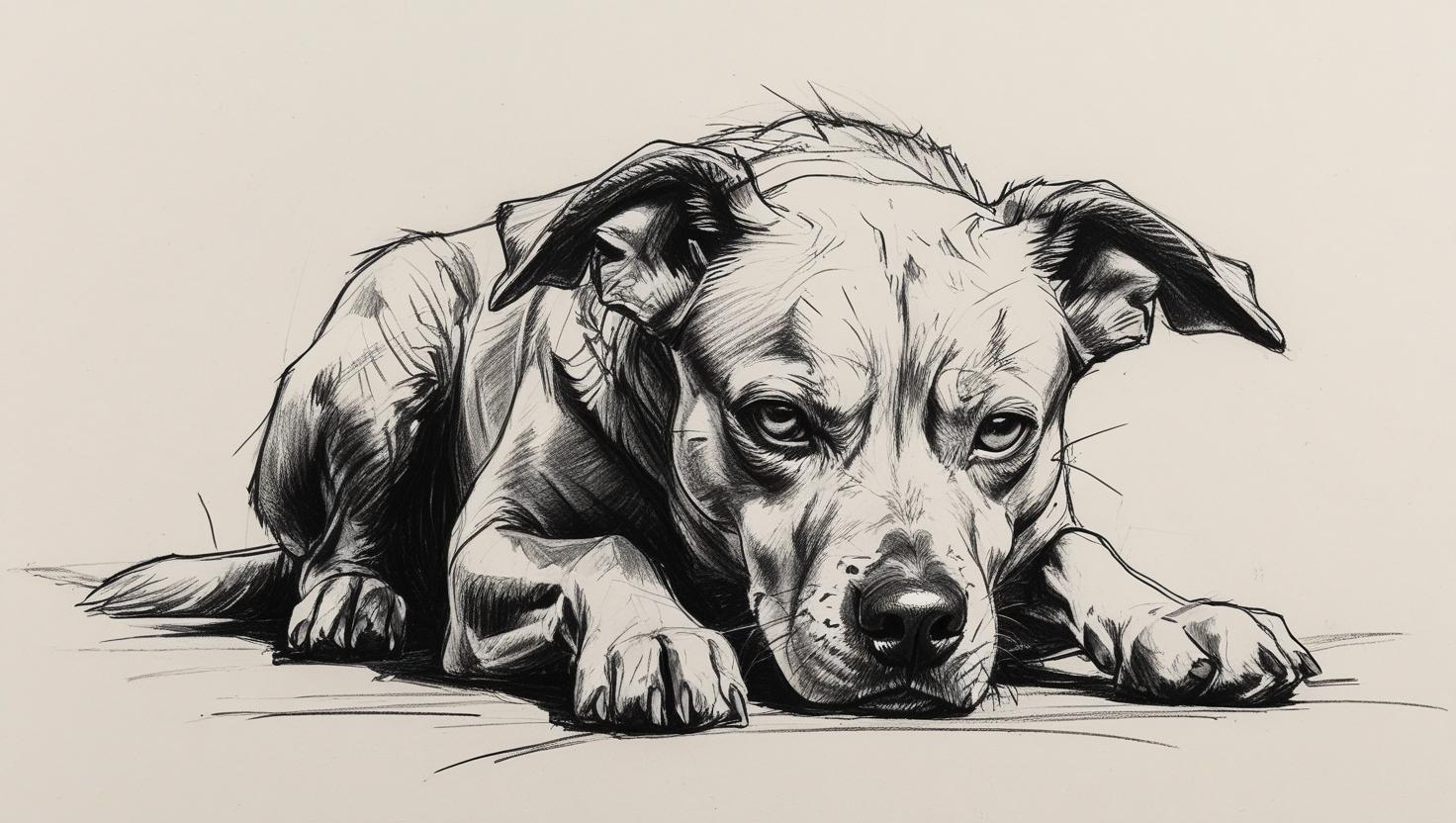
Intro: Why Combine Training and Supplements for Dog Anxiety
Dog anxiety is a common challenge many pet owners face — from separation stress to noise fears, anxious dogs can struggle daily. While training techniques help manage behavior, combining training and supplements for dog anxiety these methods and carefully chosen calming supplements can provide a more comprehensive path to relief. In this guide, we’ll explore how blending training and supplements can maximize anxiety reduction, and offer clear tables to help you find the right combinations and dosages for your furry friend. Many pet owners find that combining training and supplements for dog anxiety provides the most effective way to help their dogs feel calm and confident.
Understanding your dog’s anxiety is the first step toward effective relief. Learn more about dog anxiety symptoms and causes to better support your furry friend.
Common Training Methods for Anxiety Relief
Training plays a crucial role in helping anxious dogs build confidence and cope with stress triggers. Different methods target anxiety by teaching your dog to associate previously scary situations with calm, positive experiences. Here are some of the most effective training approaches to try alongside calming supplements:
1. Desensitization and Counterconditioning
This method gradually exposes your dog to anxiety-inducing stimuli (like loud noises or separation) at a low intensity, paired with rewards such as treats or praise. Over time, your dog learns to replace fear with positive feelings.
2. Positive Reinforcement
Rewarding calm and relaxed behaviors encourages your dog to repeat them. This approach helps build good habits and reduces anxious reactions without punishment or fear.
3. Routine and Consistency Training
Establishing predictable daily routines and consistent commands creates a sense of safety and security, which can significantly lower anxiety levels.
4. Crate Training
When introduced properly, a crate can become a safe haven for your dog—a quiet, cozy place to retreat and relax during stressful times.
5. Calm Walks and Exposure Therapy
Taking your dog on controlled walks in new environments helps expose them gradually to different sights and sounds, building resilience to stress triggers.
Types of Calming Supplements
Supplements can support your dog’s nervous system and promote relaxation, making it easier for them to engage with training and overcome anxiety. Here are some popular natural and veterinary-approved supplements commonly used to calm anxious dogs:
CBD Oil
Derived from hemp, CBD oil is widely used for its calming and anti-inflammatory effects. It can reduce stress and improve overall mood, making it a popular choice alongside behavior training.
L-Theanine
An amino acid found in tea leaves, L-Theanine promotes relaxation without sedation. It’s often included in calming supplements to help dogs focus and stay calm during training sessions.
Chamomile Extract
Known for its soothing properties, chamomile helps reduce nervousness and supports restful sleep. It’s a gentle option that can be combined with training routines.
Melatonin
A hormone that regulates sleep-wake cycles, melatonin supplements can help dogs with anxiety-related insomnia or restlessness, supporting better recovery and calmness.
Valerian Root
Valerian is a natural sedative herb that helps reduce anxiety and promote relaxation. It’s especially useful for stressful events like thunderstorms or travel but should be used cautiously if combined with other sedatives.
Combining Training and Supplements for Dog Anxiety: Recommended Combos and Dosages
To maximize anxiety relief, pairing the right supplements with effective training methods can create a powerful synergy. Below is a helpful table that matches popular calming supplements with training approaches, alongside typical dosage guidelines and important safety notes.
Use this table as a quick reference to build a customized anxiety relief plan for your dog. Always start with the lowest recommended dosage and observe how your dog responds. Consult your veterinarian before starting any new supplement, especially if your dog is on medication or has health issues. Combining training and supplements for dog anxiety isn’t a guessing game you have to measure and make sure your right.
Combining Training and Supplements for Dog Anxiety: Recommended Combos and Dosages
For many dogs, combining training and supplements for dog anxiety creates a balanced approach that addresses both behavior and underlying stress. This strategy helps your dog feel calmer and more confident, making training sessions more effective. The table below outlines popular supplements paired with training methods, along with safe dosage guidelines to help you create a customized plan.
| Supplement Type | Recommended Training Method | Benefits | Typical Dosage | Notes |
|---|---|---|---|---|
| CBD Oil | Desensitization & Counterconditioning | Reduces stress, improves calmness | 1-5 mg per 10 lbs of body weight | Start low dose, increase gradually |
| L-Theanine | Positive Reinforcement | Enhances relaxation during training | 25-50 mg twice daily | Follow product dosage instructions |
| Chamomile Extract | Routine & Consistency Training | Soothes nerves, aids sleep | 1-2 mg per lb (consult vet) | Monitor for allergies |
| Melatonin | Crate Training | Helps regulate sleep, reduces anxiety | 1 mg per 10 lbs, max 3 mg daily | Consult vet before use |
| Valerian Root | Calm Walks & Exposure Therapy | Natural sedative effect | 10-20 mg per 10 lbs | Avoid if dog is on other sedatives or prolonged use |
Safety and Dosage Guidelines
When combining supplements with training to ease your dog’s anxiety, safety should always come first. Here are some important tips to ensure you use supplements effectively and responsibly:
- Consult Your Veterinarian: Before starting any new supplement or combining training and supplements for dog anxiety, especially if your dog has underlying health conditions or takes medication, get advice from your vet to avoid harmful interactions.
- Start Low, Go Slow: Begin with the lowest recommended dose of any supplement. Observe your dog’s reaction over several days before adjusting the amount.
- Watch for Side Effects: Common side effects may include drowsiness, digestive upset, or changes in appetite. If you notice adverse reactions, discontinue use and contact your vet.
- Use Quality Products: Choose supplements from reputable brands with clear ingredient lists and proper dosage instructions to ensure safety and effectiveness.
- Don’t Mix Sedatives: Avoid combining multiple sedative supplements or giving sedatives alongside prescription medications unless your vet approves.
- Follow Dosage Guidelines: Stick to recommended dosages based on your dog’s weight and the supplement type. Overdosing can lead to serious health issues.
By following these guidelines, you’ll help your dog get the most benefit from calming supplements alongside training, without unnecessary risks.
Always follow proper dosing guidelines and consult your vet before starting supplements. For more detailed advice, see our safe use of dog calming supplements guide.
Final Tips and FAQs
Tips for Success
- Be Patient: Anxiety relief takes time. Consistency with training and supplements is key to seeing lasting improvement.
- Keep a Journal: Track your dog’s progress, noting supplement doses, training sessions, and behavior changes to identify what works best.
- Maintain Routine: Dogs thrive on predictability—regular feeding, walks, and training times help reduce anxiety.
- Combine with Environment Changes: Consider adding calming tools like white noise machines, cozy beds, or pheromone diffusers to support your plan.
Frequently Asked Questions
Q: Can I use multiple supplements at once?
A: It’s best to introduce one supplement at a time and consult your vet before combining products to avoid negative interactions.
Q: How long before I see results?
A: Some dogs respond within days, while others may take weeks. Consistency and proper dosage improve outcomes.
Q: Are supplements safe for puppies or senior dogs?
A: Some supplements are safe, but always check with your vet since younger and older dogs can have different sensitivities.
Q: Should I stop supplements once training progresses?
A: You can gradually reduce supplements as your dog becomes more confident, but consult your vet before stopping.