
🐶 Introduction (With SEO, Affiliate, and Vet Notes Included)
Hot spots can be a real pain—literally—for our furry best friends. If you’ve ever noticed a raw, red, itchy patch suddenly appear on your dog’s skin, you’re not alone. These irritated areas, also called acute moist dermatitis, can flare up fast and make your dog downright miserable. The good news? There are several gentle, effective homemade remedies for dog hot spots that can bring relief—using ingredients you probably already have at home.
In this guide, we’ll walk you through natural home remedies, like soothing tea compresses, coconut oil treatments, and pet-safe sprays, that can help stop the itching and promote healing—without harsh chemicals. We’ll also talk about when to see your vet, how to clean the area safely, and tips to keep hot spots from coming back.
🩺 Veterinary Disclaimer: This post is for informational purposes only and does not replace professional veterinary advice. Always consult your vet if the hot spot looks infected, spreads rapidly, or your dog seems to be in pain.
💬 Affiliate Disclosure: This post may contain affiliate links. If you click and purchase, we may earn a small commission at no extra cost to you. We only recommend products we trust and believe can genuinely help your dog feel better.
Let’s dive into these vet-informed home remedies to help soothe your pup’s skin—naturally and safely.
🐾 What Are Hot Spots on Dogs?
Hot spots, medically known as acute moist dermatitis, are irritated, inflamed patches of skin that can appear suddenly on your dog. These spots often become red, raw, and moist due to constant licking, scratching, or biting by your pup. Hot spots can be painful and uncomfortable, causing your dog to feel itchy and restless.
They’re especially common in dogs with thick or long fur that traps moisture against the skin, and during warmer, humid weather when bacteria and yeast can thrive. While any dog can get hot spots, breeds like Golden Retrievers, Labs, and German Shepherds tend to be more prone.
Understanding what hot spots are and why they happen is the first step in soothing your dog naturally and preventing future flare-ups.
🐾 Common Signs and Symptoms
Recognizing hot spots early can help you act quickly to ease your dog’s discomfort. Look out for these common signs:
- Red, inflamed patches of skin that may be wet or oozing
- Hair loss around the affected area
- Scabs or crusts forming as the spot begins to heal
- Intense itching, licking, or biting at the area
- Foul smell, which can indicate infection
- Sensitivity or pain when touching the spot
Hot spots often develop rapidly, sometimes within 24 hours, so if you notice your dog obsessively scratching or licking a specific area, it’s worth a closer look. Early treatment with gentle homemade remedies can prevent the spot from worsening.
🐾 Why Do Dogs Get Hot Spots?
Hot spots can be triggered by several underlying causes that irritate your dog’s skin, leading to that cycle of licking and inflammation. Common reasons include:
- Allergies: Food, environmental allergens like pollen, or flea bites can cause itching that triggers hot spots.
- Fleas and Parasites: Even a few flea bites can cause intense itching and scratching.
- Moisture and Matting: Dogs with thick or long coats can trap moisture—especially after swimming or bathing—creating a perfect environment for bacteria to grow.
- Skin Infections: Bacterial or yeast infections can start or worsen hot spots.
- Anxiety or Boredom: Dogs sometimes obsessively lick or chew at themselves out of stress or boredom, which can cause skin damage.
- Underlying Medical Conditions: Hormonal imbalances or immune system disorders may contribute.
By understanding these triggers, you can better address the root causes and reduce the chances of hot spots returning.
🐾 When to See a Vet
While many hot spots can be managed at home with gentle care and homemade remedies, there are times when professional veterinary attention is essential. You should contact your vet if:
- The hot spot is spreading rapidly or getting larger
- There is pus, heavy discharge, or a foul odor indicating infection
- Your dog is showing signs of pain, lethargy, or fever
- The area becomes swollen or extremely red
- Your dog is unable to stop scratching or biting despite treatment
- You notice multiple hot spots or recurring problems
Your vet can properly diagnose underlying causes, prescribe medications like antibiotics or anti-inflammatories, and recommend appropriate treatments to help your dog heal quickly and comfortably.
🐾 7 Safe Homemade Remedies for Hot Spots
When treating dog hot spots at home, it’s crucial to keep the area clean and avoid harsh chemicals. Here are seven gentle, vet-approved homemade remedies that can soothe irritation, reduce itching, and support healing:
1. Apple Cider Vinegar Spray (Diluted)
Mix equal parts apple cider vinegar and water in a spray bottle. Spray lightly onto the hot spot to use its natural antibacterial and antifungal properties. Important: Only use on skin that isn’t broken or raw, as it can sting.
2. Chamomile or Green Tea Compress
Brew a chamomile or green tea bag, let it cool, then apply the damp tea bag gently to the affected area for 5-10 minutes. These teas have anti-inflammatory and soothing effects.
3. Virgin Coconut Oil
Apply a thin layer of coconut oil directly to the hot spot. Its antimicrobial and moisturizing properties help reduce itching and promote skin repair.
4. Calendula Spray or Salve
Use a pet-safe calendula spray or salve to speed healing and soothe inflamed skin. Calendula has natural anti-inflammatory and antiseptic qualities.
5. Pure Aloe Vera Gel
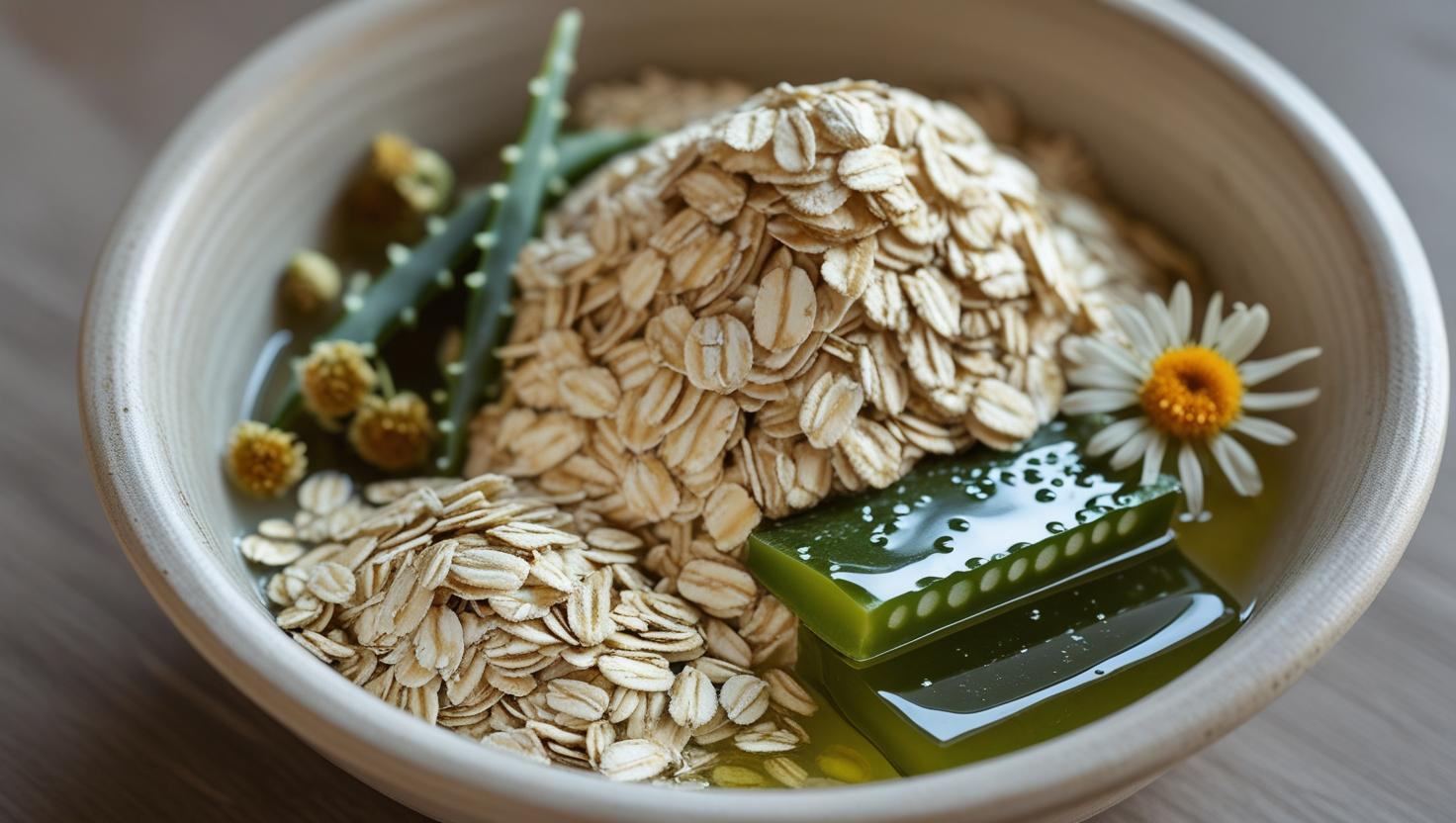
Apply 100% pure aloe vera gel to calm irritation and cool the skin. Avoid products with alcohol or additives that could irritate.
6. Salt Water Rinse
Mix 1 teaspoon of salt with 1 cup of warm water and gently rinse the hot spot to cleanse bacteria. Pat dry carefully afterward.
7. Oatmeal Paste
Grind plain oatmeal into a fine powder and mix with warm water to make a paste. Apply it on the hot spot for 5-10 minutes before rinsing off to soothe itching and inflammation.
Remember: Before applying any remedy, clean the area gently with mild soap and water or a vet-approved cleanser. Also, prevent your dog from licking the treated area by using an Elizabethan collar or recovery suit if needed.
🐾 Extra Tips to Speed Up Healing (with helpful links)
✂️ Trim the Fur Around the Area
Use pet-safe grooming scissors or quiet dog clippers to remove hair around the hot spot. Keeping the area dry and well-ventilated helps speed up recovery.
👉 Try:
- <a href=”https://www.amazon.com/dp/B08VS5WHX9″ target=”_blank” rel=”noopener noreferrer”>Rounded-tip Dog Grooming Scissors (Amazon)</a>
- <a href=”https://www.amazon.com/dp/B09CHZ6F63″ target=”_blank” rel=”noopener noreferrer”>Low-Noise Dog Clippers for Sensitive Skin</a>
🧼 Keep the Area Clean and Dry
Gently cleanse the hot spot 1–2 times daily with a pet-safe wound rinse or hypochlorous spray. Always pat dry completely.
👉 Recommended:
🐶 Prevent Licking and Scratching
Stopping your dog from licking or biting is crucial. Use a comfy e-collar, inflatable recovery cone, or soft recovery suit.
👉 Top Picks:
🛌 Create a Calm Environment
Stress can cause dogs to lick or chew out of anxiety. Try calming chews or pheromone diffusers to reduce that behavior during healing.
👉 Best Options:
👀 Monitor Closely
If symptoms worsen, switch to vet care. But during home treatment, keep an eye out for swelling, discharge, or signs of spreading. Use a dog-specific thermometer to check for fever if needed.
👉 Handy Tool:
🐾 How to Prevent Future Hot Spots on Dogs
Hot spots can be painful, frustrating, and costly to treat—so prevention is key. The good news? With a few consistent habits and adjustments, you can significantly reduce the risk of flare-ups.
🛁 Regular Grooming & Bathing
Keep your dog’s coat clean and tangle-free. Mats and trapped moisture are common culprits for skin irritation. Use a gentle, oatmeal-based shampoo that soothes the skin without stripping natural oils.
Tip: Dogs with double coats or long hair may need brushing 2–3 times per week to prevent matting.
🌿 Manage Allergies
Allergic reactions to food, pollen, dust, or fleas are a major trigger. Work with your vet to identify and manage allergies, whether through a limited-ingredient diet, supplements like quercetin, or regular flea prevention treatments.
💧 Dry Thoroughly After Baths or Swims
Trapped moisture is the enemy of healthy skin. Always towel-dry and let your dog fully air dry, especially in thick or hard-to-reach areas like armpits and under the ears.
🐶 Relieve Boredom and Stress
Some dogs lick or chew from anxiety or lack of stimulation. Offer daily enrichment like interactive toys, puzzle feeders, and regular walks to keep their mind engaged.
🍽️ Support Skin Health from Within
A strong immune system and healthy skin barrier go hand in hand. Add supplements like:
- Omega-3 fatty acids (from fish oil or salmon oil)
- Probiotics
- Vitamin E or zinc (in vet-approved doses)
These nutrients can reduce inflammation and improve skin resilience over time.
| Product | Type | Why It Helps | Buy Link |
|---|---|---|---|
| Vet’s Best Hot Spot Shampoo | Soothing Shampoo | Uses tea tree oil and aloe to calm itchy, irritated skin | View on Amazon |
| Zesty Paws Omega Bites | Omega-3 Supplement | Supports skin health and reduces inflammation from the inside out | View on Amazon |
| FURminator Deshedding Tool | Grooming Tool | Reduces shedding and removes loose fur to prevent mats and moisture buildup | View on Amazon |
| Pet Honesty Allergy Relief Chews | Allergy Supplement | Contains quercetin, turmeric, and probiotics for dogs with seasonal allergies | View on Amazon |
| Dog Toweling Robe | Drying Aid | Speeds up drying after baths or swims to reduce skin moisture buildup | View on Amazon |
🐾 Final Thoughts: Healing Hot Spots Naturally
Hot spots are painful for our pups — but with fast action, gentle homemade remedies, and a consistent care routine, you can bring your dog serious relief. While natural solutions like chamomile tea compresses, apple cider vinegar sprays, or soothing coconut oil offer effective first-line treatment, always keep an eye on the wound and behavior. If things worsen or you notice signs of infection, call your vet.
And remember: the best treatment is prevention. With regular grooming, a balanced diet, and allergy support, your dog’s skin can stay happy, healthy, and hotspot-free.
Want to make sure you’re fully stocked? Scroll back up to the table for the best products to help support healing and prevent future flare-ups.
Explore more natural solutions and expert tips in our Dog Skin, Coat & Dental Health Hub.