
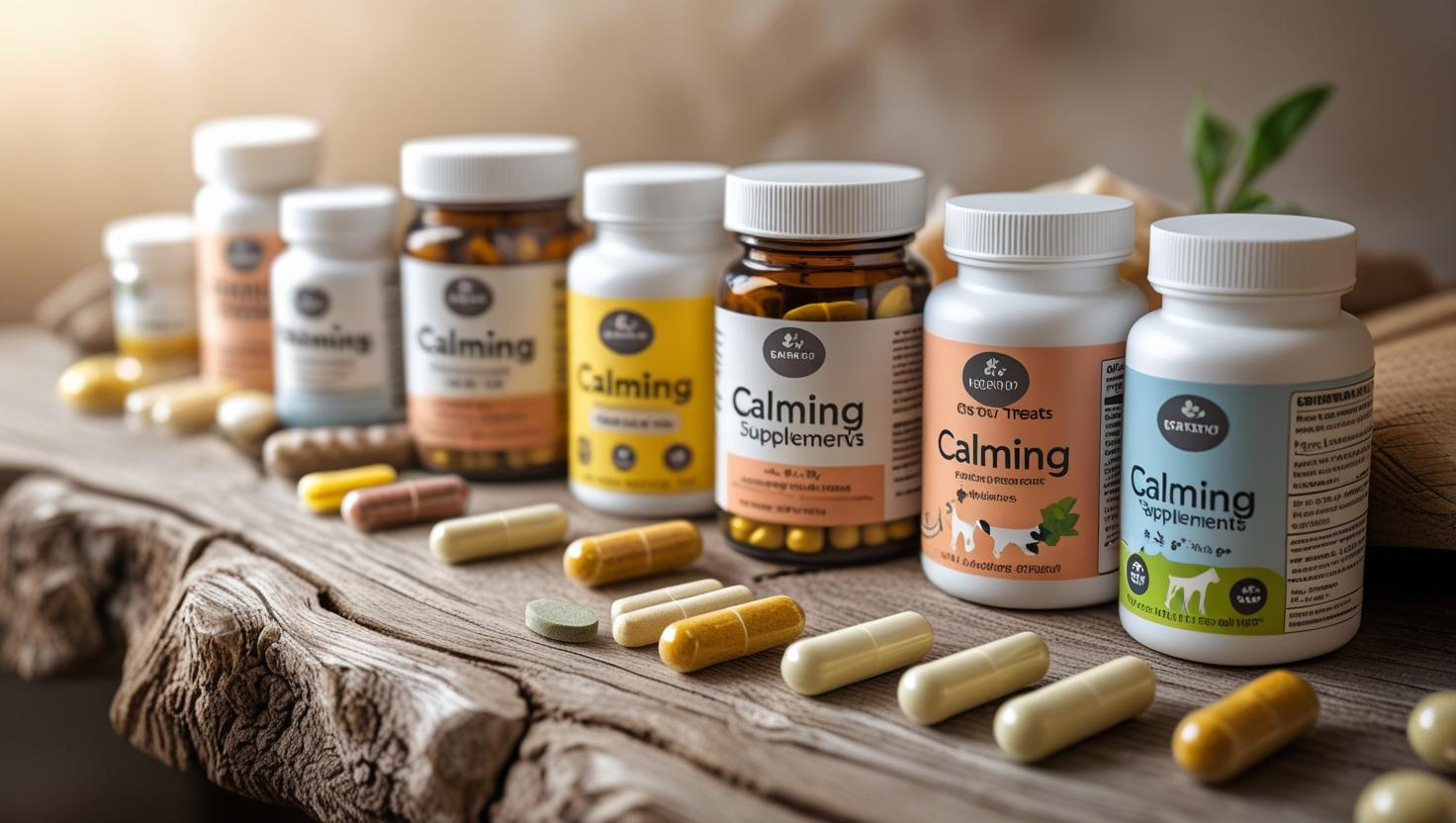
1. Introduction to Natural Calming Supplements for Dogs
Affiliate Disclaimer: Some of the links in this post are affiliate links. This means we may earn a small commission if you purchase through them — at no extra cost to you. We only recommend products we trust and that can truly help your dog feel calmer and happier.
Does your dog get nervous during car rides, thunderstorms, or when you leave the house? You’re not alone — anxiety is common in dogs, but there are ways to help. Calming supplements can make a big difference, helping your pup feel relaxed, happy, and more confident. In this guide, we’ll break down the different types of calming supplements, how they work, and tips for choosing the right one for your dog.
- Common Triggers of Anxiety
- Symptoms to Recognize
- When Anxiety Becomes Chronic
- How Do Calming Supplements Work?
- Common Ingredients in Calming Supplements
- When and How to Use Calming Supplements
- Are Calming Supplements Safe?
- Natural Alternatives to Supplements
- How to Choose the Right Supplement
- Combining Supplements with Other Strategies
- Conclusion
2. What Causes Anxiety in Dogs?
Every dog is different, but many pups share similar triggers that can cause stress or anxiety. Knowing what sets your dog off can help you spot when they need extra support. Some of the most common triggers include:
- Separation: Leaving your dog alone, even for a short time, can cause separation anxiety. This often leads to nervous behaviors because your dog feels insecure without you nearby.
- Loud Noises: Thunderstorms, fireworks, construction sounds, or even vacuum cleaners can be scary for many dogs. These noises can trigger sudden fear or panic.
- Vet Visits: A trip to the vet can be stressful because of unfamiliar places, smells, and handling. For some dogs, just the anticipation of the vet visit is enough to cause anxiety.
- Travel: Car rides, changes in environment, or staying in new places can make dogs nervous. The uncertainty of travel often causes restlessness and stress.
Symptoms to Recognize Anxiety in Your Dog
Anxiety doesn’t always look the same in every dog. Some dogs show obvious signs, while others hide their stress. Here are a few common symptoms to watch for:
- Pacing or Restlessness: Your dog can’t seem to settle down and moves around nervously.
- Excessive Barking or Whining: Vocalizing more than usual, especially in stressful situations.
- Destructive Behavior: Chewing furniture, digging, or scratching doors can be a way dogs release anxious energy.
- Hiding or Trying to Escape: Seeking a safe spot or attempting to flee stressful situations.
- Loss of Appetite or Vomiting: Anxiety can affect your dog’s digestion and eating habits.
If you notice these signs regularly, it’s a clue your dog is struggling with anxiety and might need help managing it.
When Does Anxiety Become a Chronic Problem?
It’s normal for dogs to feel anxious during certain events like thunderstorms or trips to the vet. But when anxiety happens frequently or lasts a long time, it can turn into a chronic issue that impacts your dog’s everyday life.
Chronic anxiety can lead to serious health problems like weakened immune function, skin irritations from excessive licking or scratching, and even aggressive behavior in some cases. It also takes a toll on your bond because your dog might become less confident, more withdrawn, or harder to train.
If your dog’s anxiety is interfering with their happiness or your daily routine, it’s time to consider a more consistent plan to help them feel calm and secure. That’s where tools like calming supplements, training, and environmental changes come in.
3. How Natural Calming Supplements for Dogs Work
Calming supplements work by helping your dog’s brain relax naturally. They can boost calming chemicals like GABA and serotonin, which quiet the nerves and help your pup feel more at ease — whether it’s during a thunderstorm, a car ride, or when you’re leaving the house.
Here’s a simple breakdown of how they help:
- Balancing Brain Chemicals: Many calming supplements contain ingredients that boost “feel-good” neurotransmitters like serotonin and GABA. These brain chemicals help regulate mood and reduce feelings of fear or panic.
- Lowering Stress Hormones: When dogs get anxious, their bodies release cortisol—the hormone responsible for the “fight or flight” response. Some supplements help reduce cortisol levels, calming your dog’s physical stress reactions.
- Supporting Nervous System Health: Nutrients like B vitamins and magnesium work behind the scenes to keep your dog’s nervous system functioning smoothly. When the nervous system is balanced, your dog handles stress better.
- Soothing Effects from Herbs: Natural herbs like chamomile, valerian root, and passionflower have been used for centuries because of their calming properties. They gently relax muscles and nerves, helping your dog feel more at ease.
The best part? Calming supplements usually come in tasty chews, powders, or liquids, making them easy to give. And because they’re natural, many dogs tolerate them well with very few side effects.
Remember, while calming supplements can be a great help, they work best as part of a bigger plan—including behavior training, creating a safe environment, and sometimes veterinary care. Think of supplements as one helpful tool in your toolbox to make your dog’s life less stressful.
4. Key Ingredients in Natural Calming Supplements for Dogs
- L-theanine: how it helps
- Melatonin: uses and safety
- Tryptophan: mood booster
- Chamomile and Valerian root: herbal calmers
- CBD oil: what science says
- Others to know
5. Do Calming Supplements Actually Work?
When you start looking at calming supplements for your dog, you’ll notice many contain natural ingredients that have been studied for their relaxing effects. Here are some of the most popular and effective ones to keep an eye out for:
- L-Theanine: This amino acid, found naturally in tea leaves, helps promote relaxation and focus without making your dog sleepy. It supports the production of calming brain chemicals.
- Chamomile: Known for its gentle soothing properties, chamomile can help ease nervous tension and calm upset stomachs caused by anxiety.
- Valerian Root: Often used as a natural remedy for sleep and relaxation, valerian root helps reduce restlessness and promotes a sense of calm.
- Passionflower: This flower has been shown to reduce anxiety and improve sleep quality in both humans and animals.
- CBD Oil: Derived from hemp, CBD is becoming a popular choice for anxiety relief in dogs. It interacts with the body’s endocannabinoid system to help regulate mood and stress. Always check with your vet before trying CBD.
- Melatonin: Best known for regulating sleep cycles, melatonin is helpful for dogs who get anxious at night or have trouble sleeping during stressful times.
- Magnesium: This essential mineral supports muscle relaxation and nervous system health, which can reduce physical signs of stress.
- B Vitamins: These help keep your dog’s nervous system balanced and support overall energy and mood regulation.
Each ingredient plays a slightly different role, and many supplements combine several of these for a balanced effect. When choosing a product, look for clear ingredient lists and doses backed by research or veterinary recommendations.
| Ingredient | Pros | Cons |
|---|---|---|
| L-Theanine | Promotes relaxation without sedation; supports focus | Effects may be mild; may take time to notice benefits |
| Chamomile | Gentle calming and anti-inflammatory; good for upset stomachs | Possible allergies in some dogs; mild sedative effects |
| Valerian Root | Helps reduce restlessness and promote sleep | Strong smell may deter some dogs; potential mild sedation |
| Passionflower | Reduces anxiety and improves sleep quality | Less research in dogs specifically; may interact with meds |
| CBD Oil | Effective for anxiety and mood regulation; natural | Legal restrictions vary; vet approval needed; dosage varies |
| Melatonin | Regulates sleep cycles; helpful for nighttime anxiety | Overuse can cause drowsiness; dosage must be monitored |
| Magnesium | Supports muscle relaxation and nervous system function | Excessive doses can cause digestive upset |
| B Vitamins | Supports nervous system health and mood regulation | Usually safe but requires proper dosing |
6. Are Calming Supplements Safe?
Safety is one of the biggest questions dog parents ask when considering calming supplements—and rightly so. The good news is that most calming supplements made with natural ingredients are generally safe for healthy dogs when used as directed.
However, there are a few important things to keep in mind:
- Quality Matters: Look for products from reputable brands that use high-quality, tested ingredients. Supplements aren’t regulated as strictly as medications, so choosing trusted sources is key.
- Check the Ingredients: Some herbs and compounds can interact with medications or aren’t suitable for all dogs. Always read the label carefully.
- Proper Dosage Is Crucial: Giving too much of a supplement can lead to side effects like upset stomach, lethargy, or in rare cases, more serious reactions.
- Pre-existing Health Conditions: Dogs with certain health issues—like liver or kidney problems—may need special consideration before starting supplements.
- Puppies and Pregnant/Nursing Dogs: These dogs can be more sensitive, so consult your vet before giving any calming supplement.
When to Talk to Your Vet
If your dog is on prescription medications, has ongoing health problems, or you’re unsure about a supplement, it’s always best to check with your veterinarian first. They can help you choose the safest, most effective option and make sure it won’t interfere with any other treatments.
In short, calming supplements can be a safe and helpful tool—but they should be used thoughtfully and responsibly. Your vet is your best partner to ensure your dog’s anxiety care is both safe and effective.
7. Natural Alternatives to Supplements
While calming supplements can be a fantastic tool, they’re just one part of a broader approach to helping your dog feel safe and relaxed. If you’re looking for natural ways to support your dog’s calmness without—or alongside—supplements, here are some ideas to try:
- Exercise and Play: Regular physical activity helps burn off nervous energy and releases feel-good endorphins. A tired dog is often a calmer dog.
- Create a Safe Space: Designate a quiet, cozy spot in your home where your dog can retreat when they feel overwhelmed. Adding their favorite bed, toys, or even a calming diffuser nearby can make this space extra comforting.
- Massage and Touch: Gentle petting or dog massage can reduce stress hormones and help your pup relax. Many dogs respond well to slow, soothing strokes.
- Music and Sound Therapy: Soft classical music or specially designed “calming” playlists for dogs can drown out scary noises and create a peaceful environment.
- Training and Positive Reinforcement: Teaching your dog simple commands and rewarding calm behavior builds confidence and reduces anxiety over time.
- Aromatherapy: Some essential oils—like lavender—can have relaxing effects, but be very careful and consult a vet or expert because some oils are toxic to dogs.
- Routine and Predictability: Dogs thrive on routine. Keeping feeding, walking, and playtimes consistent can help reduce anxiety caused by uncertainty.
These natural approaches often work best when combined with calming supplements and any other strategies you’re using. Anxiety is complex, and a well-rounded plan tailored to your dog’s personality and needs is the key to success.
| Natural Alternative | Pros | Cons |
|---|---|---|
| Exercise and Play | Burns nervous energy; boosts mood naturally | Requires time and consistent effort |
| Safe Space | Provides a secure retreat; reduces overwhelm | Needs space and setup; not all dogs will use it immediately |
| Massage and Touch | Reduces stress hormones; strengthens bond | Requires knowledge or training for effective massage |
| Music and Sound Therapy | Masks scary noises; creates calming atmosphere | Effectiveness varies by dog; requires equipment |
| Training & Positive Reinforcement | Builds confidence; encourages calm behavior | Takes patience and consistency |
| Aromatherapy | Can promote relaxation if used safely | Risk of toxicity if wrong oils used; vet consultation needed |
| Routine and Predictability | Helps dogs feel secure and less anxious | Life changes can disrupt routine; may be hard to maintain |
8. How to Choose the Right Supplement for Your Dog
With so many natural calming supplements for dogs on the market, picking the right one for your dog can feel overwhelming. Here are some friendly tips to help you find the best fit:
1. Consider Your Dog’s Specific Needs
Think about what kind of anxiety your dog has. Is it occasional stress from thunderstorms or travel? Or more ongoing, chronic anxiety? Some supplements are formulated for daily support, while others work best as short-term aids.
2. Check the Ingredient List
Look for supplements that clearly list all their ingredients and avoid unnecessary fillers, artificial colors, or flavors. Stick with natural, well-studied ingredients like L-Theanine, chamomile, or valerian root.
3. Quality and Brand Reputation Matter
Choose products from brands known for transparency, quality testing, and good reviews from other dog owners. Look for third-party testing or certifications to ensure safety and potency.
4. Consider Your Dog’s Preferences
Supplements come in different forms—chews, capsules, powders, or liquids. Pick one your dog is likely to accept easily. If your dog is a picky eater, tasty chews might work best.
5. Talk to Your Veterinarian
Before starting any supplement, especially if your dog takes other medications or has health issues, chat with your vet. They can help you choose the safest and most effective option.
6. Start with a Trial Period
Once you pick a supplement, give it a few weeks (following dosing instructions) to see how your dog responds. Keep an eye out for improvements in behavior or any side effects.
Choosing the right calming supplement takes a little research and patience, but the right product can make a meaningful difference in your dog’s comfort and happiness.
Combining Calming Supplements with Other Anxiety Management Strategies
Natural calming supplements for dogs can be a powerful part of helping your dog manage anxiety—but they usually work best when combined with other supportive strategies. Anxiety is complex, and a holistic approach often makes the biggest difference.
Here are some ways to build a well-rounded anxiety plan for your dog:
1. Behavior Training
Training your dog with positive reinforcement helps them learn to feel confident and safe. Teaching simple commands like “sit” or “stay” and rewarding calm behavior can gradually reduce anxiety triggers.
2. Create a Calm Environment
Set up a quiet, cozy space where your dog can retreat when feeling stressed. Using calming scents, soft bedding, or sound machines can help make this space a true sanctuary.
3. Maintain Routine
Dogs thrive on predictability. Keeping feeding, walks, and playtimes consistent helps reduce anxiety caused by uncertainty.
4. Exercise Regularly
Daily physical activity is one of the best natural stress busters for dogs. It helps release pent-up energy and boosts mood-enhancing hormones.
5. Use Calming Tools
Along with supplements, consider products like anxiety wraps, calming collars, or pheromone diffusers that create a sense of security.
6. Work with a Professional
If your dog’s anxiety is severe, a professional trainer or veterinary behaviorist can develop a customized plan that includes supplements, training, and sometimes medications.
When you combine calming supplements with these strategies, you’re giving your dog the best chance to feel relaxed, confident, and happy. It’s all about creating a supportive environment tailored to their unique needs.
9. Conclusion
Helping a dog with anxiety isn’t always easy, but calming supplements can be a gentle, natural way to support their well-being. They’ve become popular because they offer an effective alternative—or addition—to medications, often with fewer side effects and more flexibility.
In this guide, you’ve learned what causes anxiety in dogs, how natural calming supplements for dog’s work, the key ingredients to look for, and how to safely choose and use these products. You’ve also seen how combining supplements with training, routine, and other natural methods creates a well-rounded plan to help your dog feel calm and secure.
Remember, every dog is unique, and what works well for one might not be perfect for another. Patience, observation, and care are your best tools on this journey. And when in doubt, your vet is always your partner to ensure your dog’s anxiety management is safe and effective.
With the right approach, you can help your furry friend live a happier, calmer life—giving both of you peace of mind and more joyful moments together.
10. Call to Action
- Top Ingredients in dog calming supplements
- How to Use Calming Supplements Safely: Dosage Timing & Tips
- Invitation to explore calming gear on TheDoggoLife.com
One response to “Calming Supplements for Dogs: How to Help Your Anxious Pup Relax”
[…] If you’re new to calming supplements, check out our full guide on how they actually help dogs with anxiety before you get […]