
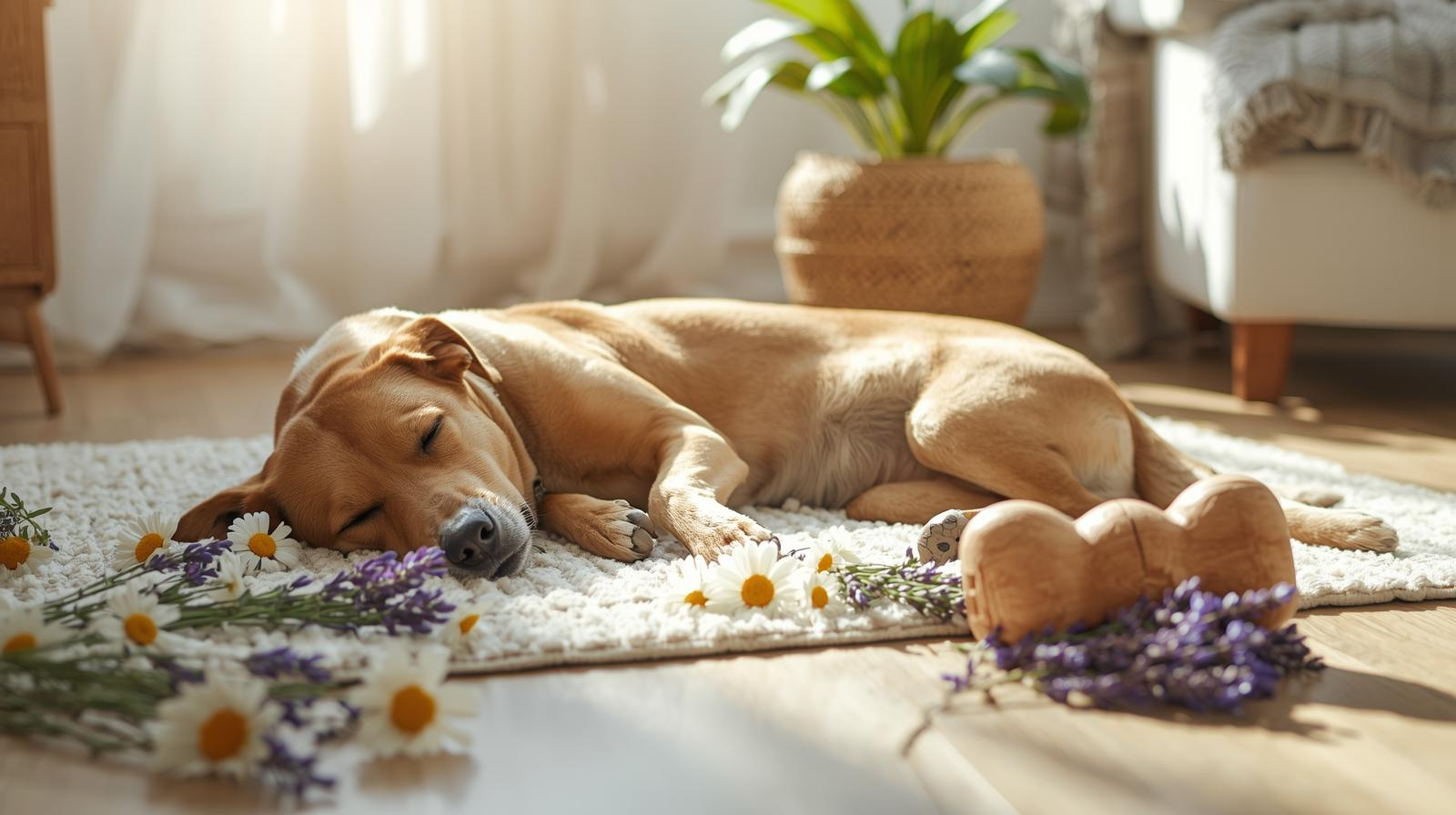
Introduction: Treating Anxiety from All Angles
Watching a beloved dog struggle with anxiety is heartbreaking. Whether it’s trembling during thunderstorms, pacing when left alone, or reacting nervously to everyday noises, anxiety can take a serious toll on your dog’s happiness and your peace of mind.
The truth is, calming supplements and medications can help, but they’re not the only answer — and sometimes, they’re not enough on their own. Dogs deeply respond to the environments we create for them, the routines we keep, and the little details we might overlook.
This post is for anyone who wants to help their anxious dog feel safe, calm, and loved — using natural, gentle changes in the home and daily life. No quick fixes, just practical ways to support your dog’s emotional well-being with patience and care. Home remedies for dog anxiety might help you.
Because every dog deserves to feel safe and secure in their own home.
For a complete approach to easing your dog’s anxiety, be sure to check out our Comprehensive Guide to Calming Supplements for Dogs where we dive deeper into natural calming options and safe product recommendations.
Beyond Supplements — Real Ways to Help Your Dog Feel Calm and Safe
1. Structure & Routine = Safety
For dogs living with anxiety, predictability isn’t just comforting — it’s essential. When your pup knows what to expect, it reduces the uncertainty that often fuels their nervousness.
Try to keep a consistent daily schedule for feeding, walks, playtime, and bedtime. This doesn’t mean rigidity, but rather reliable rhythms your dog can count on. Even small changes, like varying the time you leave the house, can sometimes trigger stress.
Also, pay attention to how you say goodbye and hello. Overly emotional or dramatic farewells can unintentionally increase anxiety. Instead, keep departures low-key and calm, helping your dog understand that you’ll be back without making a big fuss.
Building a routine creates a safe, predictable world your dog can feel secure in — and that foundation often makes all the difference in helping them relax.
2. Calming Sounds & Music Therapy
It might sound surprising, but music really can soothe an anxious dog’s nerves. Many dogs respond positively to gentle, calming sounds — especially classical music, soft reggae, or specially composed playlists designed just for dogs.
Playing calming music during stressful moments, like thunderstorms, fireworks, or when your dog is home alone, can help create a peaceful atmosphere. The steady rhythms and soft melodies act like a comforting background hug, reducing tension and promoting relaxation.
There are great resources online, like the iCalmPet system or dog-friendly playlists on YouTube and Spotify. Just be sure to keep the volume low and avoid sudden changes in sound that might startle your pup.
Adding this simple auditory comfort to your dog’s environment can be a gentle way to ease anxiety — no pills needed.
3. Daily Exercise (Mental & Physical)
Exercise isn’t just about burning energy — it’s a powerful way to help reduce anxiety in dogs. Physical activity helps release calming hormones and can tire out an anxious mind just as much as the body.
Aim for daily walks that allow your dog to sniff and explore at their own pace. Sniffing is mentally enriching and helps your dog feel grounded in their environment. Puzzle toys, training games, and interactive play can also challenge their brain, which can be just as calming as a long walk.
It’s important to find the right balance — too little activity can leave your dog restless, but too much or overly intense exercise might actually increase stress for some anxious dogs. Observe your dog’s reactions and adjust accordingly.
By giving your dog regular, thoughtful exercise, you’re helping their body and mind work together toward calm and confidence.
4. Creating a Safe Space
Every dog needs a place where they feel completely safe and secure — a little sanctuary they can retreat to when the world feels overwhelming. This “safe space” can be a crate, a quiet room, or a cozy corner with their favorite blanket and toys.
It’s important that this area is calm, quiet, and free from interruptions. Use soft bedding, dim lighting, and familiar scents to make it inviting. Most importantly, never use this space as punishment. Instead, encourage your dog to go there voluntarily by making it comfortable and positive.
Having a dedicated retreat helps your dog manage their anxiety by giving them control over where they feel safest. It’s their little refuge where they can decompress and find peace.
5. Reducing Sensory Overload at Home
Dogs experience the world through heightened senses — sights, sounds, and smells all feel more intense to them than they do to us. For an anxious dog, too much sensory input can quickly become overwhelming and increase their stress.
Try to create calm zones in your home by minimizing loud noises like blaring TVs, shouting, or heavy foot traffic. Using blackout curtains can help reduce bright or flickering lights, especially during storms or fireworks. White noise machines or gentle fans can also mask sudden or jarring sounds that might unsettle your dog.
If you’re expecting guests or hosting gatherings, consider giving your dog access to a quiet room away from the action, where they can relax without feeling cornered or overstimulated.
By thoughtfully managing your dog’s sensory environment, you’re helping them avoid triggers and find moments of calm amid the chaos.
6. Calming Scents & Essential Oils
Certain natural scents can help soothe an anxious dog, but it’s important to use them carefully and safely. Lavender and chamomile, when used in a well-ventilated diffuser with diluted oils, are among the most commonly recommended calming scents for dogs.
Never apply essential oils directly to your dog’s skin or fur, and avoid using oils that are toxic to pets, such as tea tree, eucalyptus, citrus, or peppermint. Always watch your dog closely when introducing any new scent for signs of discomfort, like sneezing, coughing, or avoidance.
If used properly, calming scents can gently support your dog’s relaxation, especially when combined with a quiet, cozy environment.
Top Ingredients in Dog Calming Supplements: What to Look For
7. Final Thoughts: What to Try First
Helping an anxious dog feel calm and safe often means taking small, thoughtful steps. Start by establishing a consistent routine and creating a quiet, comfortable safe space your dog can trust. Adding calming music during stressful times can further ease their nerves. Home remedies for dog anxiety.
Once those basics are in place, consider introducing gentle exercise and safe calming scents to support your dog’s emotional well-being. Remember, every dog is unique — what works for one might take time or adjustment to help another.
If your dog’s anxiety continues to impact their quality of life, don’t hesitate to reach out to your veterinarian or a certified animal behaviorist for personalized guidance. Above all, your patience, love, and understanding are the most powerful tools you have in helping your dog find peace.
Because no matter what, every dog deserves to feel safe and loved in their home. Home remedies for dog anxiety can be helpful to your dog and you. It can keep them feeling save in a place they should be.
For additional trusted guidance on managing dog anxiety, the American Kennel Club offers excellent resources and expert tips.